Intern in Taiwan this summer with OPIT! Applications due February 15th.
Gain invaluable international work experience while helping address real-world challenges in Bishkek, Kyrgyzstan, a bustling city on the modern Silk Road. In this innovative, project-based program, you will intern with a local organization or company committed to social change while collaborating with Central Asian students to design and develop new products and services that benefit local communities. Along the way, you'll build practical skills in entrepreneurship, product design, cross-cultural communication, and leadership while developing lasting connections with your host community.
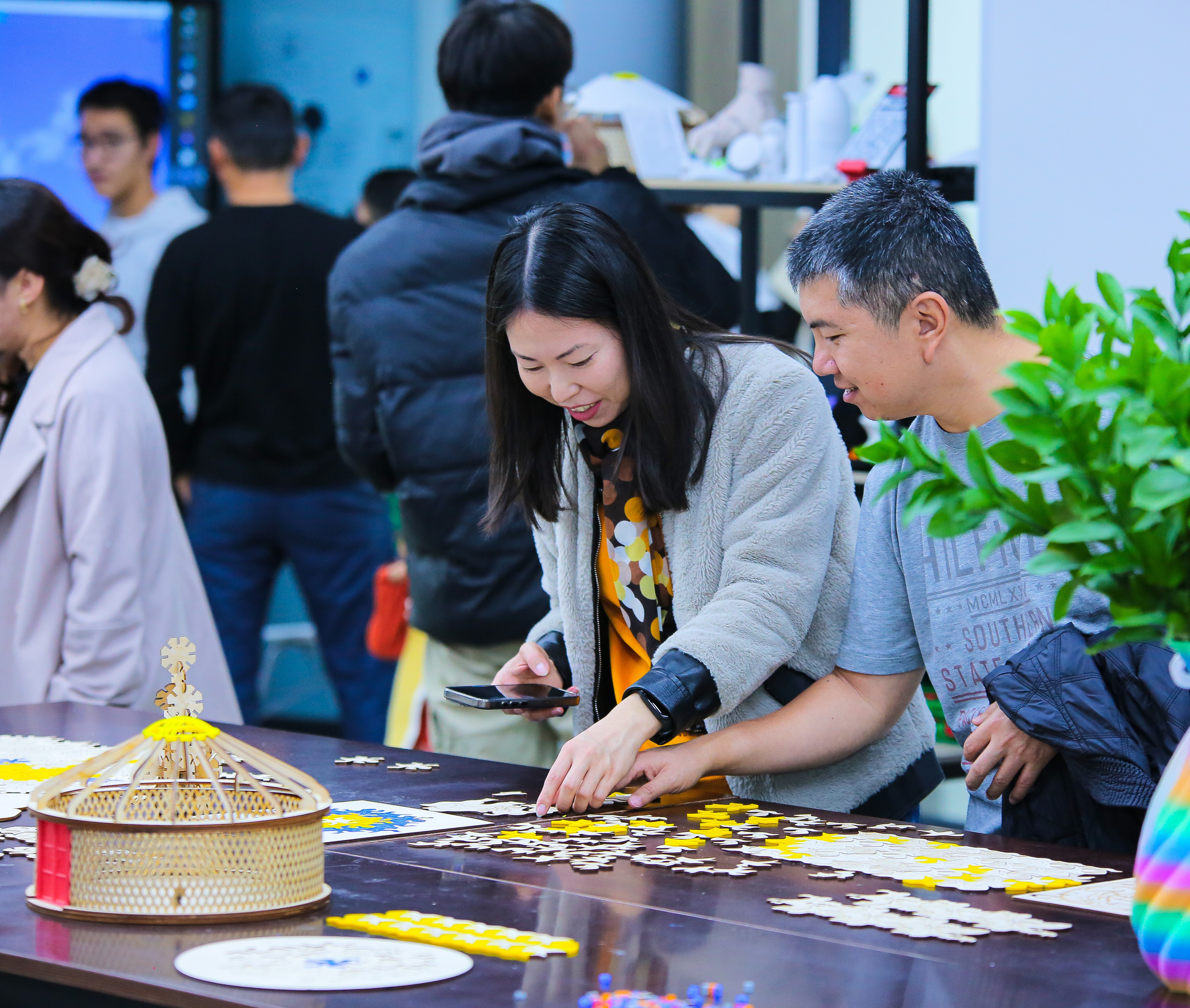
Hosted by the American University of Central Asia (AUCA), this groundbreaking program places U.S. students in internships at technology start-ups, service providers, businesses, and nonprofit organizations committed to social change and community development. Alongside their internships, students complete coursework in Central Asian Studies and Social Entrepreneurship. These courses deepen students’ understanding of the history, cultures, and contemporary challenges of Central Asia while introducing them to the principles and practices of developing sustainable business ventures that address social, cultural, and environmental challenges. Students also collaborate with their Central Asian peers in the AUCA Makerspace to design, develop, and refine prototypes of new or redesigned products and services that respond to the needs of local communities in Bishkek. Together, these experiences provide a unique opportunity to combine academic learning, professional experience, and practical innovation.
The program is ideal for students interested in business, community and urban development, economics, sociology, entrepreneurship, Central Asian studies, and related fields. Through its combination of academic study and hands-on professional experience, the program helps students develop the workplace skills most in demand by today’s employers, including problem-solving, leadership, communication, teamwork, and adaptability.
A major emphasis of the program is community engagement. Students must be prepared to participate actively in dialogue with local people to learn about their lives and challenges; consider productive, sustainable strategies that strengthen their host community; and engage thoughtfully and empathetically with people whose beliefs and perspectives reflect a history and culture different from their own.
Once a week, students are invited to attend an optional class on basic Kyrgyz, during which they will learn key phrases and concepts to communicate in public. Students may also arrange to receive formal instruction in Russian for additional cost.

This is not just a study abroad program: it is a launchpad for changemakers! You will leave Bishkek with new friends, real-world project experience, and a global perspective on what it means to create positive, lasting change.
Work with local innovators to solve authentic community challenges.
Gain hands-on experience in design, business, and social impact.
Learn in a multicultural, entrepreneurial environment at AUCA.
Explore Central Asia’s rich history and modern transformation.
Optional Russian or Kyrgyz language study adds depth to your experience.
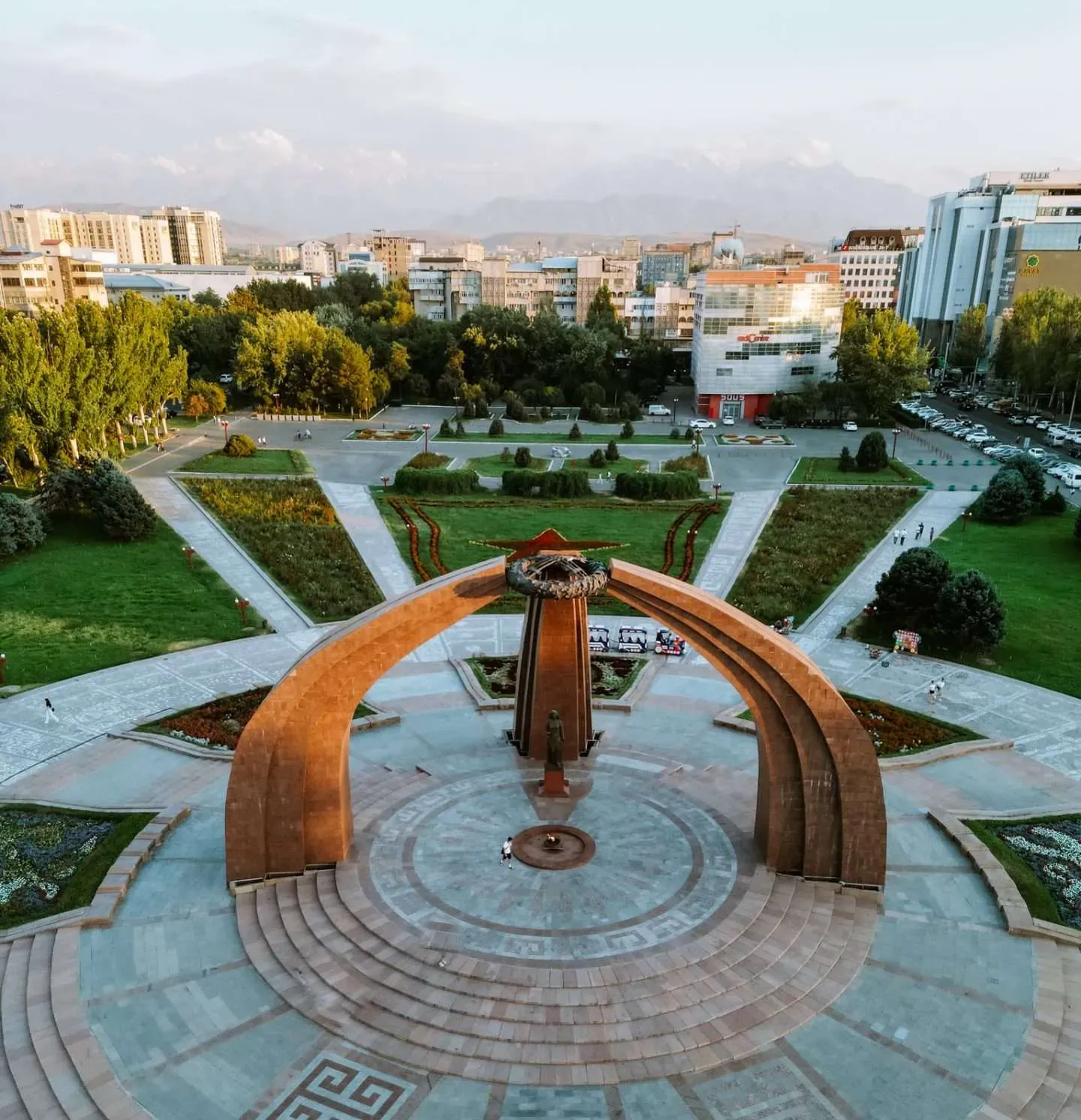
Located at the foot of the spectacular Tien Shan Mountains, Bishkek is a lively, cosmopolitan city where Soviet-era architecture, bustling bazaars, and modern cafés reflect Kyrgyzstan's complex history and rapidly changing society. Since independence in 1991, Bishkek has emerged as an important center of education, business, and cultural life in Central Asia.
The city's vibrant markets, restaurants, music scene, and lively nightlife are complemented by easy access to some of the region's most beautiful mountain landscapes. Its relatively low cost of living makes it an attractive destination for students eager to explore a part of the world rarely encountered through conventional study abroad programs.
With its distinctive blend of Central Asian traditions, Soviet history, and contemporary urban life, Bishkek offers a fascinating setting in which to study entrepreneurship, engage with local communities, and gain new perspectives on a rapidly changing region.
Students complete coursework in Social Entrepreneurship and Central Asian Studies, complemented by an internship and collaborative project activities. Once a week, students are invited to attend an optional class on basic Kyrgyz, during which they will learn key phrases and concepts to communicate in public. Students may also arrange to receive formal instruction in Russian for additional cost.
(4 credits) This course introduces students to the theory and practice of social entrepreneurship through an experiential and collaborative learning environment. Students explore the principal concepts of social entrepreneurship, the mindset of social entrepreneurs, and practical applications of key concepts through real market examples. Particular emphasis is placed on developing sustainable business ventures that address social, cultural, or environmental challenges. As students develop their ideas and construct business models, they gain practical experience in designing, evaluating, and refining community-focused entrepreneurial initiatives. While taught separately from the internship and Makerspace activities, the course draws on students' practical experiences to illustrate key concepts and explore the challenges of applying entrepreneurial approaches in real-world settings.
(4 credits) This course provides students with a comprehensive introduction to the Kyrgyz Republic and Central Asia, with particular attention to the politics, religions, economies, and societies of Kazakhstan, Kyrgyzstan, Tajikistan, Uzbekistan, and Turkmenistan. Students examine the region's diverse ethnic and cultural traditions, political systems, economic challenges, and contemporary social conditions, gaining a nuanced understanding of the forces shaping the five Central Asian republics.
Historical topics include the region's incorporation into the Russian Empire, the rise and fall of the Soviet Union, collectivization, Stalinism, and the emergence of the independent Central Asian republics. Particular attention is paid to Kyrgyzstan, where the program is based, and to the political, economic, and social challenges facing the country today.
Students gain valuable real-world experience, strengthen their cross-cultural communication skills, and build international professional networks through internships with local companies and organizations for approximately 15–20 hours per week. Potential internship hosts include Shoro Company, Kyrgyzstan’s largest beverage producer; Accelerate Prosperity, a global initiative of the Aga Khan Development Network that supports entrepreneurship and business development; High Technology Park, an innovation hub that promotes technological advancement and economic growth; and Tazar, a recycling company dedicated to environmental protection and sustainability.

Each participant is paired with an AUCA student who provides assistance with daily logistics, cultural adaptation, and navigating university and community life in Bishkek. Participants also collaborate with small teams of local AUCA students to research, design, and develop their social entrepreneurship projects.
Local student partners are carefully selected, fluent in English, and share a strong interest in cultural exchange, education, and international collaboration. These partnerships offer opportunities to develop friendships, exchange perspectives, and gain a deeper understanding of contemporary life in Central Asia.
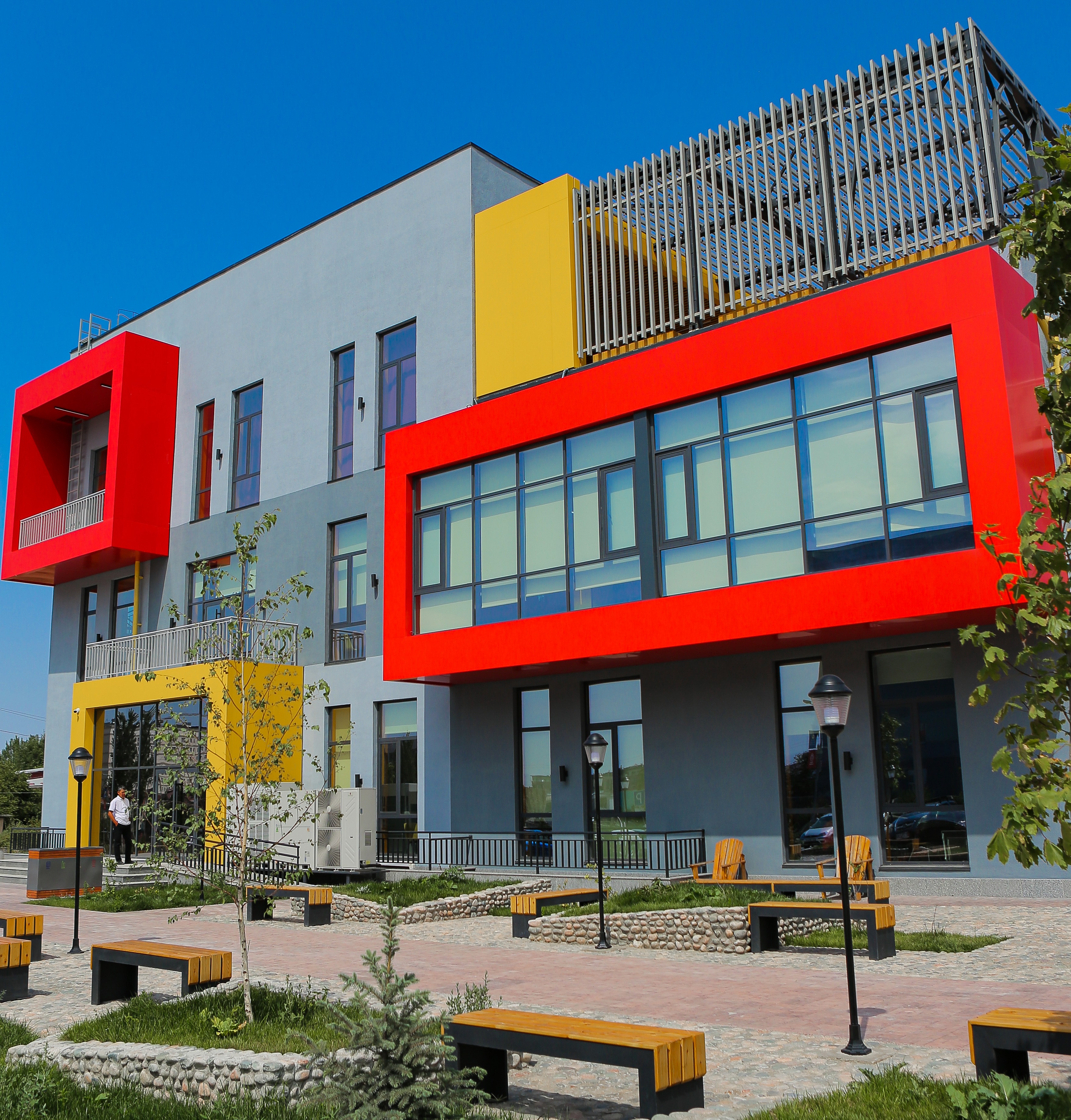
Founded in 1993, the American University of Central Asia (AUCA) is one of the region's leading institutions of higher education. Located in Bishkek, the university offers an American-style liberal arts education and attracts students from throughout Central Asia and beyond.
English is the primary language of instruction and is widely spoken across campus, creating an accessible and welcoming academic environment for visiting American students.
AUCA offers undergraduate programs in a wide range of disciplines, including Anthropology, Business Administration, Economics, International and Comparative Politics, Journalism and Mass Communication, Psychology, and Software Engineering. Its emphasis on critical thinking, interdisciplinary learning, and international engagement makes it an ideal host institution for the Social Entrepreneurship program.
Learn more about AUCA: https://www.youtube.com/@AUCATVKG/featured
AUCA MAKERSPACE
Launched in June 2024, the AUCA Makerspace provides students, faculty, entrepreneurs, and community members with a creative environment in which to design, experiment, and develop innovative solutions to practical challenges.
A central feature of the Social Entrepreneurship program, the Makerspace enables participants to work alongside AUCA students to transform ideas into tangible prototypes, test new designs, and explore practical applications of their entrepreneurial projects. Through collaborative, hands-on work, students gain experience in product development, design thinking, and interdisciplinary problem-solving.
The Makerspace includes collaborative work areas and specialized equipment such as 3D printers, laser cutters, CNC cutters, robotics kits, sewing equipment for textile projects, and a computer lab for design and digital work.
Explore the AUCA Makerspace: https://www.youtube.com/watch?v=q8wEouJ-bgU

Participants live with specially selected and vetted host families who provide breakfast and dinner seven days per week. Students reside in fully furnished, private rooms, and at least one member of each host family speaks fluent English.
In addition to providing valuable logistical support, host families offer unique insights into daily life in Bishkek and create a warm, supportive environment for participants. Living with a local family is an important component of the program's emphasis on cultural immersion and community engagement.

Approximately one day each week is devoted to cultural activities and excursions in and around Bishkek, designed to deepen students' understanding of Kyrgyzstan's history, society, and contemporary life. Activities typically include visits to local bazaars, schools, start-up businesses, universities, and important cultural and historical sites, including Ala-Too Square, the State History Museum, the Kyrgyz National Opera and Ballet Theatre, and Burana Tower.
Many activities complement the program's academic and professional components, providing opportunities to observe local businesses, explore community development challenges, and engage with Kyrgyz students, entrepreneurs, and other community members.
A full-time American Councils Resident Director (RD) provides ongoing academic, logistical, and personal support to participants throughout the program, including 24-hour emergency assistance.
All American Councils Resident Directors undergo extensive training with Washington, DC-based staff on health and safety, mental health support, sexual assault and harassment prevention and response, emergency procedures, public health protocols, and university relations. The Resident Director maintains regular communication with American Councils staff in Washington, DC and is available to assist participants with concerns that arise during their time abroad.
All participants are enrolled in overseas accident and illness insurance as part of their program fee. Coverage includes eligible medical treatment and emergency evacuation, subject to the terms and conditions of the insurance policy.
Upon admission, students receive a comprehensive program handbook containing detailed information on academic coursework and credit, program policies, health and safety, on-site support, and daily life in Bishkek.
At the beginning of the program, participants also complete an extensive, multi-day on-site orientation. Sessions address academic expectations, university life, program policies, health and safety, group dynamics, and living with a host family. Additional workshops explore cultural adjustment, mental health and counseling resources, strategies for successful cross-cultural communication, sexual assault and harassment prevention and response, and emergency procedures.
Together, these resources help prepare students for a safe, academically rewarding, and personally meaningful experience in Kyrgyzstan.
Multiple sources of funding are available to support participants in paying for programs abroad. Participants are encouraged to apply for private scholarships, federal aid and grants, college/university scholarships, and American Councils fellowships and scholarships.
All participants must attend a mandatory pre-departure orientation before the program begins. Sessions cover health and safety, academic culture, host-family life, culture shock, and strategies for maximizing language learning. Students meet resident directors, peers, and alumni, with lodging and meals provided. Upon arrival to the host country, participants attend a site-specific in-country orientation led by program staff.
While abroad, participants have access to full-time in-country staff who offer academic, administrative, and personal support, as well as 24/7 emergency assistance. The AC Study Abroad team in Washington, D.C. stays in close contact with students, host institutions, and families throughout the program.
All participants are covered by Cultural Insurance Services International (CISI) for the duration of the program. CISI provides up to $250,000 in medical coverage per accident or illness and full emergency medical evacuation coverage.
American Councils provides visa support for participants for the duration of the program in the host country, if applicable. Students are responsible for obtaining any additional visas required by their travel plans. Visa instructions and forms are provided after acceptance.
