Intern in Taiwan this summer with OPIT! Applications due February 15th.
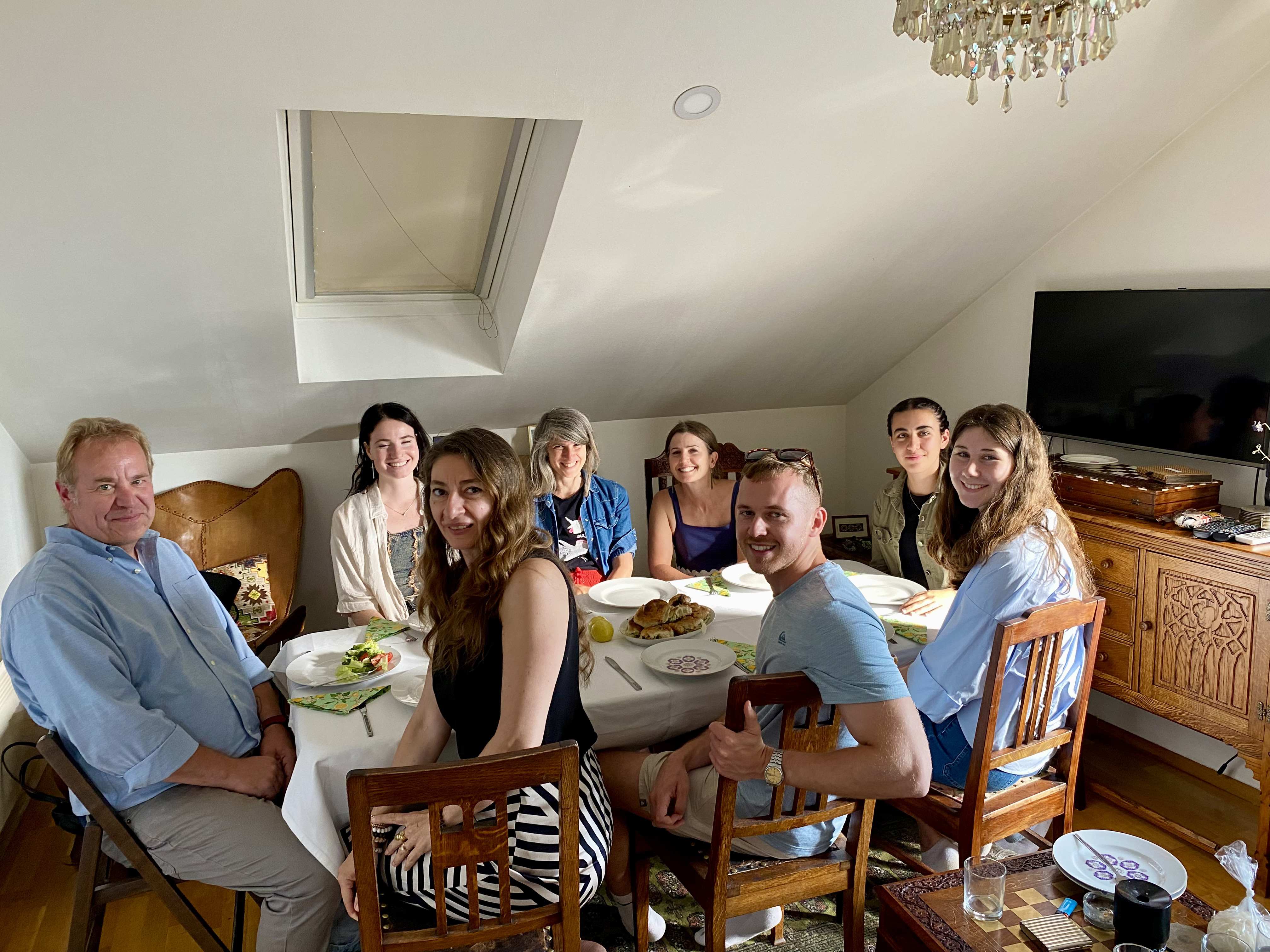
Combining highly-individualized academic programming with structured overseas immersion, BLI enables students to make rapid gains in language proficiency and cultural knowledge while living and studying in Southeast Europe.
The Balkan Language Initiative offers intensive, highly-individualized instruction in Bosnian, Croatian, Montenegrin, and Serbian in Bosnia and Herzegovina. Through homestays, conversation partners, in-class instruction, and a wide range of extracurricular activities, participants enjoy an unprecedented opportunity to immerse themselves in daily local life in a region largely unserved by study abroad programs.
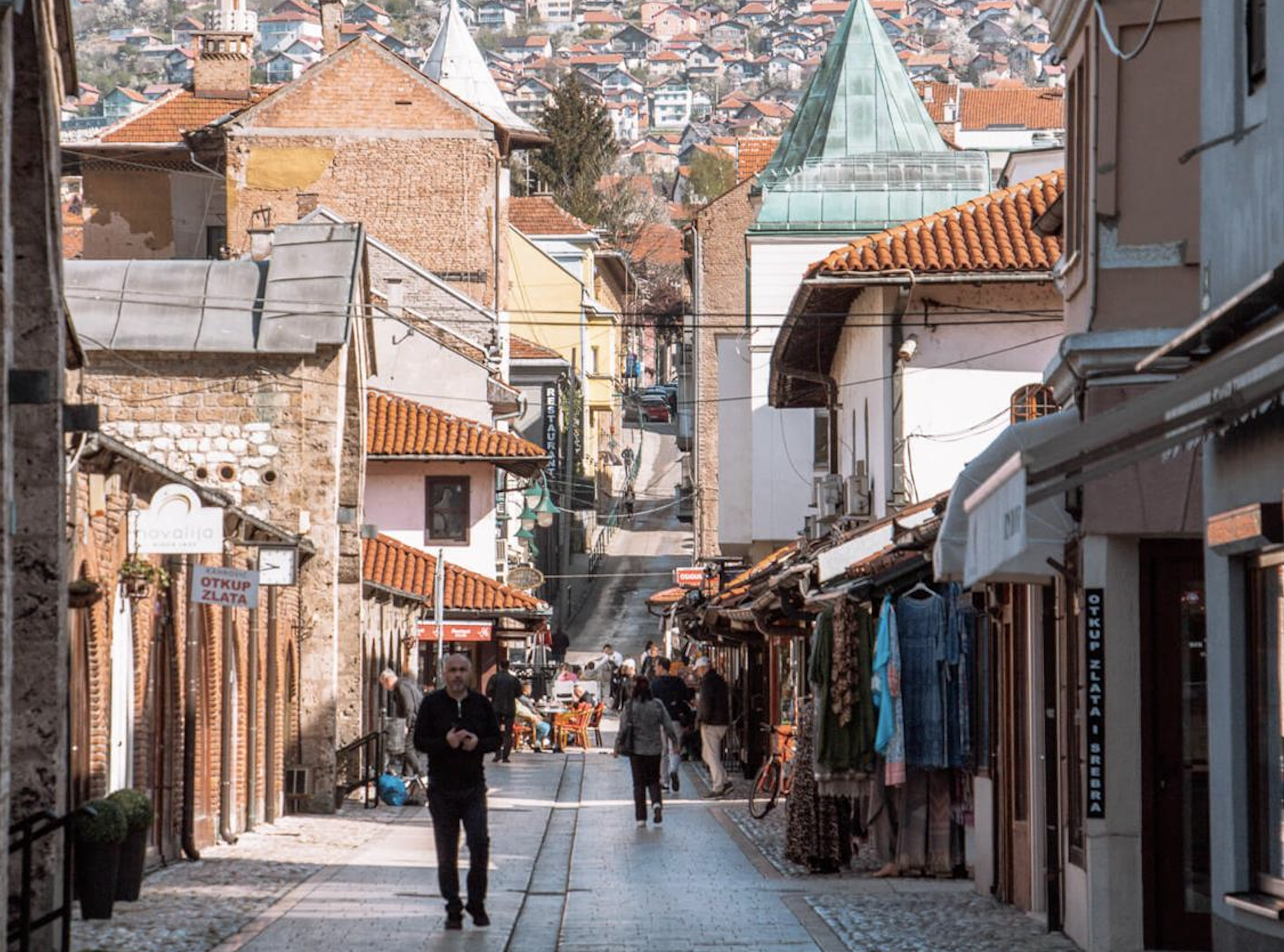
Sarajevo, the capital and largest city of Bosnia & Herzegovina, sits in a valley surrounded by the Dinaric Alps in the heart of the Western Balkans. Its location at the crossroads of Central and Southeastern Europe has shaped a city known for its remarkable blend of cultures, religions, and architectural traditions. Ottoman-era markets, Austro-Hungarian architecture, historic mosques, churches, and synagogues stand alongside contemporary cafés, museums, and cultural institutions. Whether exploring the streets of Baščaršija, hiking in the surrounding mountains, or traveling to nearby towns and historic sites, Sarajevo offers a unique combination of urban life, history, and natural beauty.
Sarajevo’s complex history and diverse population make it an especially rich environment for studying the languages, cultures, and societies of the Balkans. Bosnian, Croatian, Montenegrin and Serbian are widely spoken and are mutually intelligible, while the city’s history provides opportunities to explore questions of identity, religion, conflict, reconciliation, and post-conflict development. Program features and ongoing support from local staff help students engage meaningfully with Sarajevo’s communities while taking full advantage of the city’s dynamic linguistic and cultural environment.
(Minus Deposit)
(Minus Deposit)
The Balkan Language Initiative (BLI) academic program is designed to improve students' oral, listening, and reading proficiency in BCMS. Course work typically includes classes in grammar, conversation, reading, and writing. Language courses also cover topics in literature, history, politics, culture, mass media, and area studies.
Language classes are conducted in either small groups of two to five students or in tutorials. Students receive approximately 15 hours per week of in-class contact hours. All classes are conducted by multilingual expert faculty who have extensive experience teaching foreign students in the BCMS languages.
Programming in multiple languages or dialects (Bosnian-Croatian-Montenegrin-Serbia) may be available upon request for semester and academic year participants.
Participants receive academic credit through Bryn Mawr College, an institutional partner of American Councils.
BALK 320 | Advanced Conversation: BCMS | 1 Unit/4 Credits
BALK 330 | Advanced Grammar: BCMS | 1 Unit/4 Credits
BALK 350 | Advanced Conversation: BCMS | 1.5 Unit/6 Credits
BALK 360 | Advanced Grammar: BCMS | 1.5 Unit/6 Credits
BALK 314 | Readings in Balkan History and Culture | 1 Unit/4 Credits
BALK 352 | Advanced Conversation: BCMS | 1.5 Unit/6 Credits
BALK 362 | Advanced Grammar: BCMS| 1.5 Unit/6 Credits
BALK 315 | Readings in Balkan History and Culture | 1 Unit/4 Credits
BALK 515 | Advanced Conversation: BCMS | 1 Unit/5 Credits
BALK 525 | Advanced Grammar: BCMS | 1 Unit/5 Credits
BALK 550 | Advanced Conversation: BCMS | 1 Unit/5 Credits
BALK 560 | Advanced Grammar: BCMS | 1 Unit/5 Credits
BALK 513 | Readings in Balkan History and Culture | 1 Unit/5 Credits
BALK 552 | Advanced Conversation: BCMS | 1 Unit/5 Credits
BALK 562 | Advanced Grammar: BCMS | 1 Unit/5 Credits
BALK 514 | Readings in Balkan History and Culture | 1 Unit/5 Credits
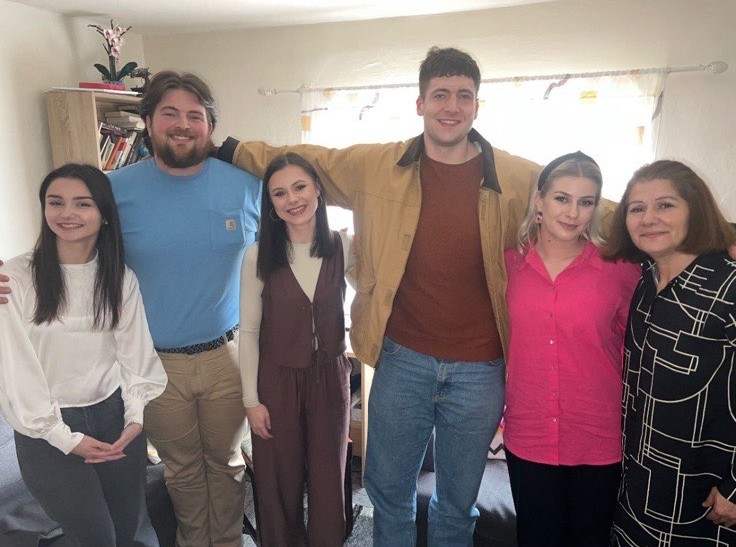
Program participants live with local host families. Living with a host family provides valuable cultural experience to complement the academic program. Host families expose participants to authentic, everyday life in Bosnia & Herzegovina while also providing a supportive environment for students to practice their growing language skills. While staying with a host family, participants are provided with a private room, two meals per day, and keys to the apartment or house. All host families are screened, selected, and monitored by local staff at the American Councils office in Sarajevo.
As part of the program, participants engage in a number of excursions and cultural activities. Activities outside the classroom are designed to give participants a deeper understanding of life, culture, and history in Bosnia & Herzegovina while providing contemporary context on its relationships within the Balkan region. While excursions and activities vary from year to year and by location, past participants have enjoyed excursions to Stari Most, Mostar & Blagaj, Vjetrenica Cave as well as cultural activities such as visits to the Rock Music Musuem and Musuem of Optical Illusions, music classes, and traditional feasts.
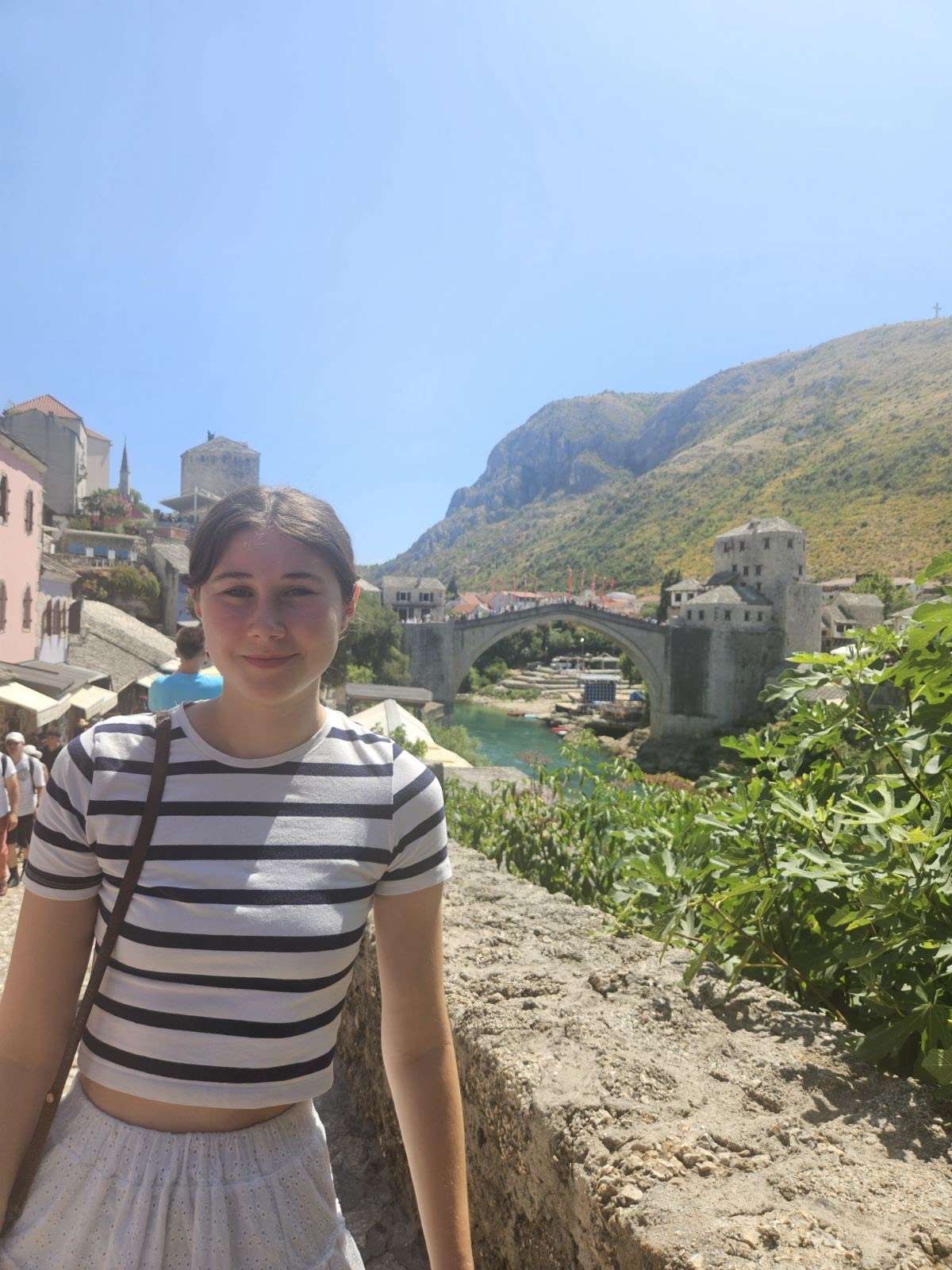
Travel beyond Sarajevo to fully experience all that Bosnia has to offer, including ancient monasteries, vast wine cellars, and distinct local traditions.
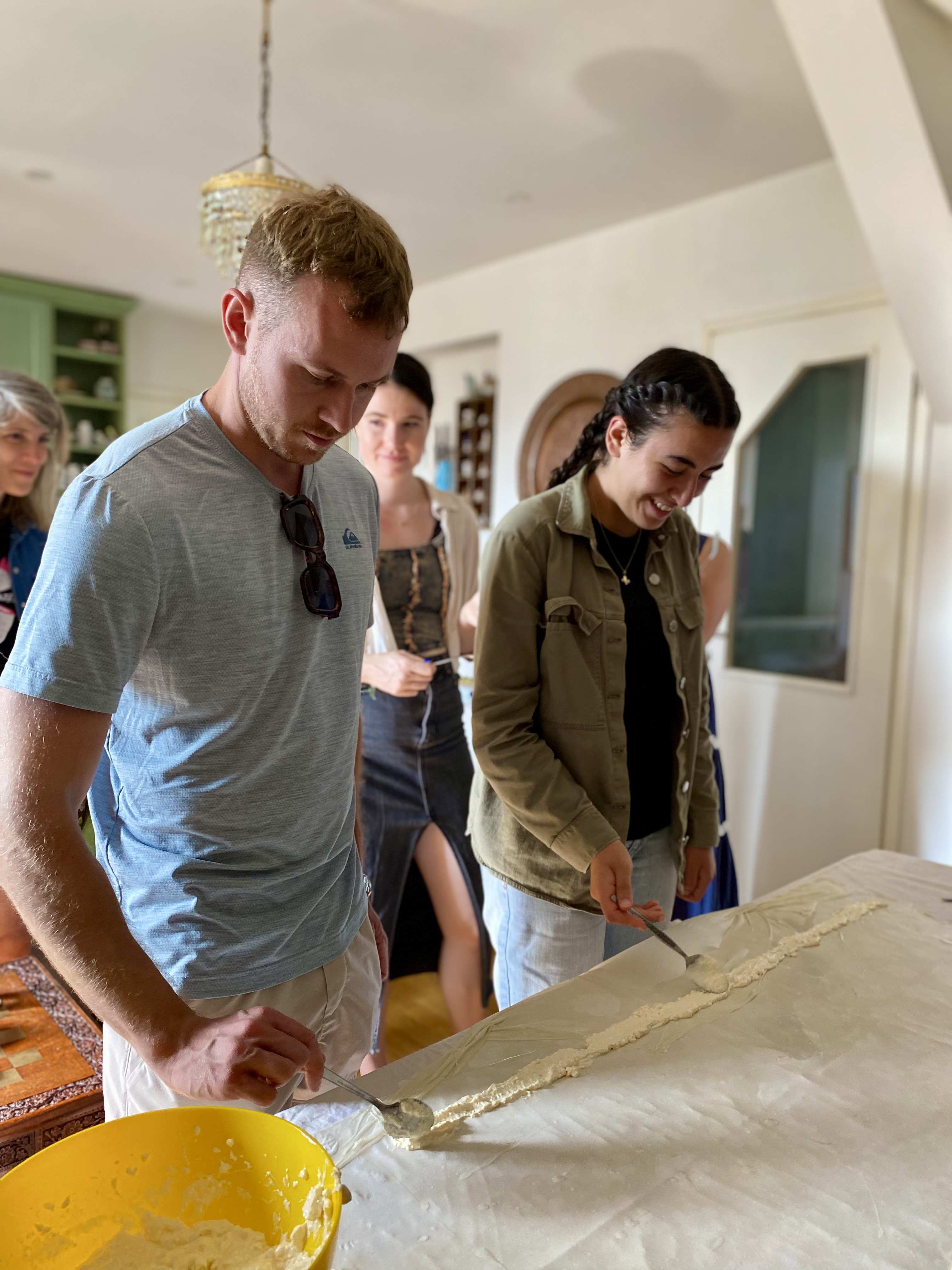
Experience cultural traditions of the region through performances, festivals, craftwork, and delicious cuisine.
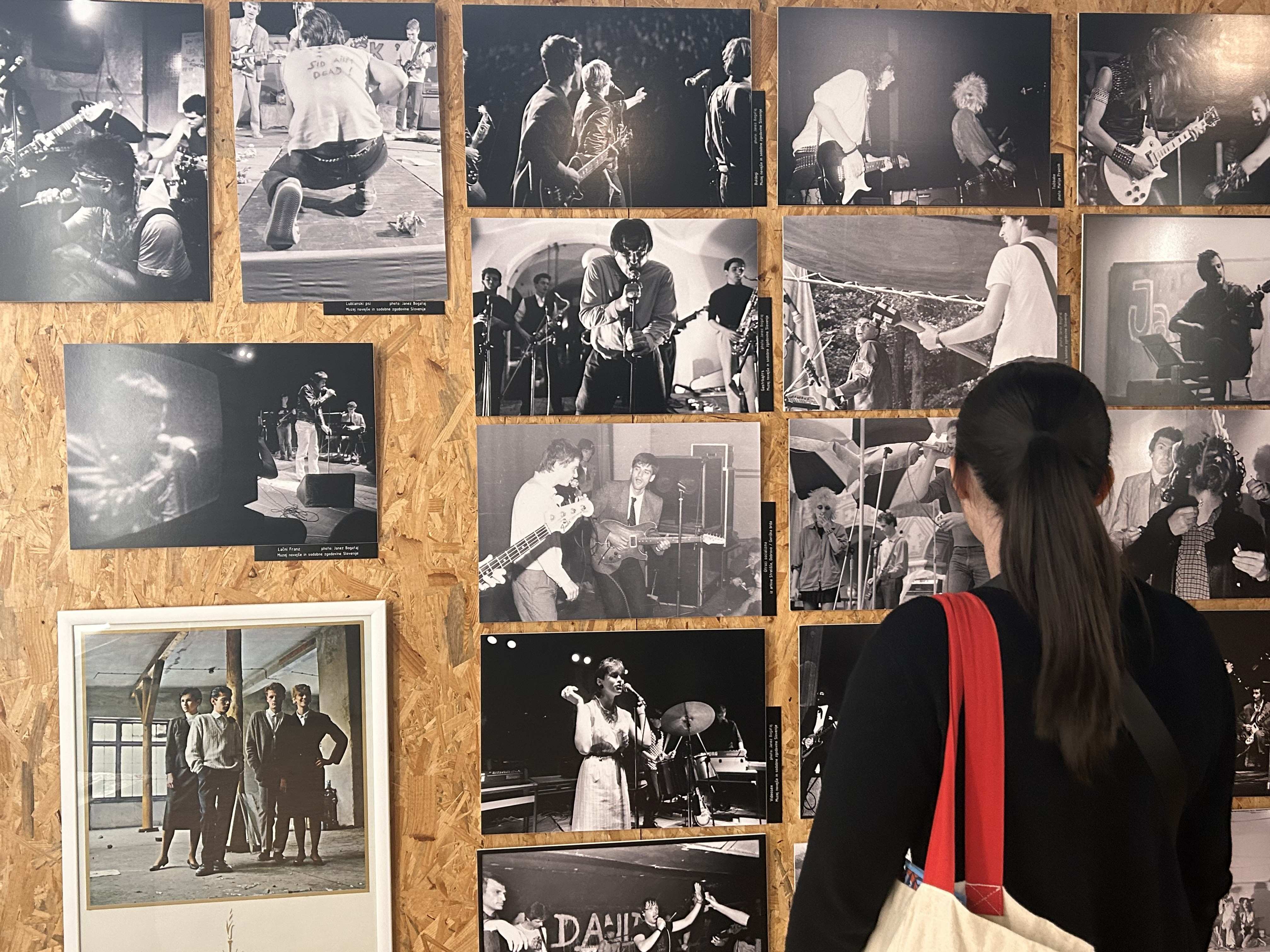
Explore local museums, learning about the rich culture of Bosnia. Past cohorts have visited the museums of Optical Illusion, Rock Music and so on.
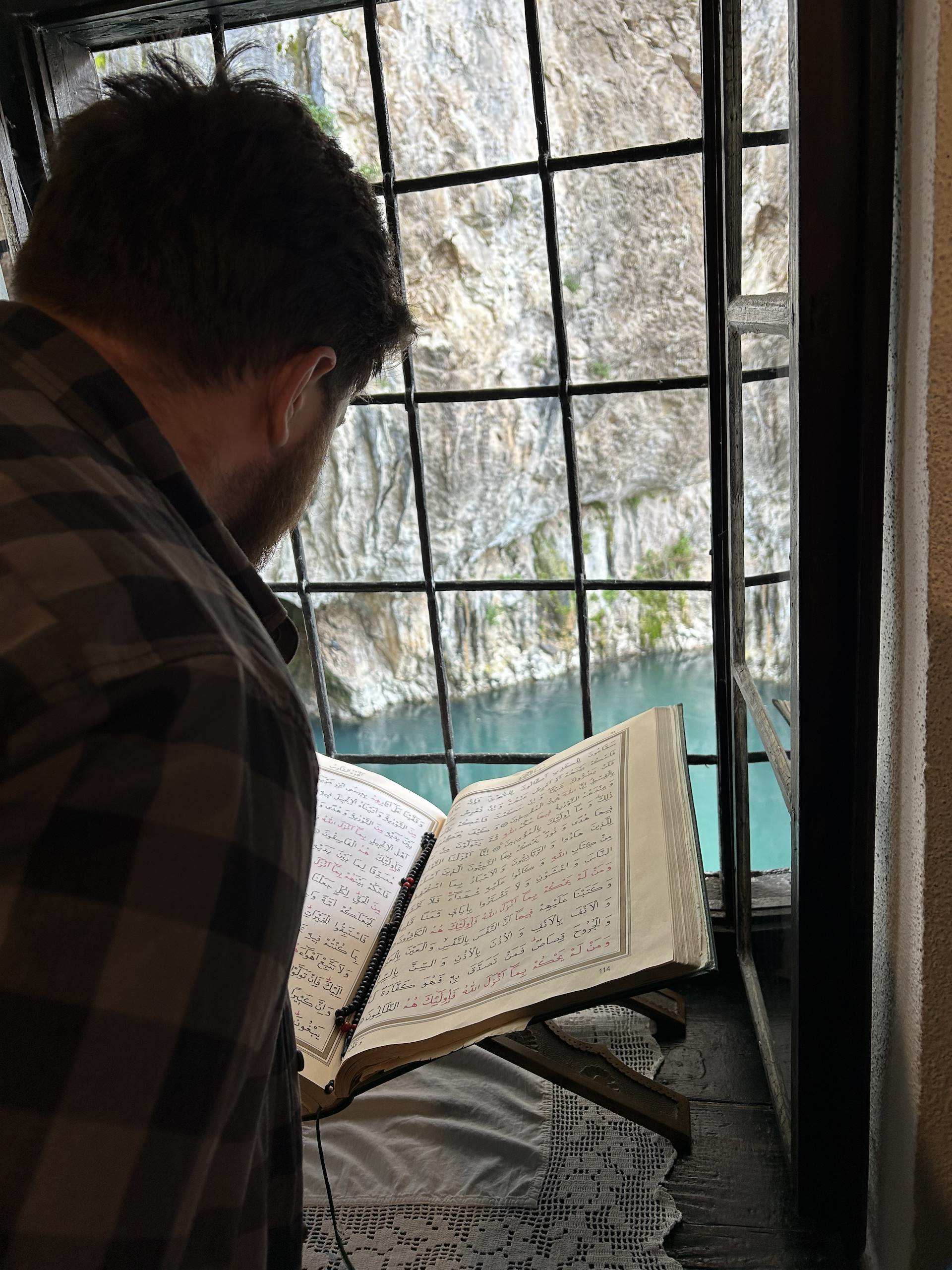
Explore historical sites across the region and get a wider view of Bosnian history.
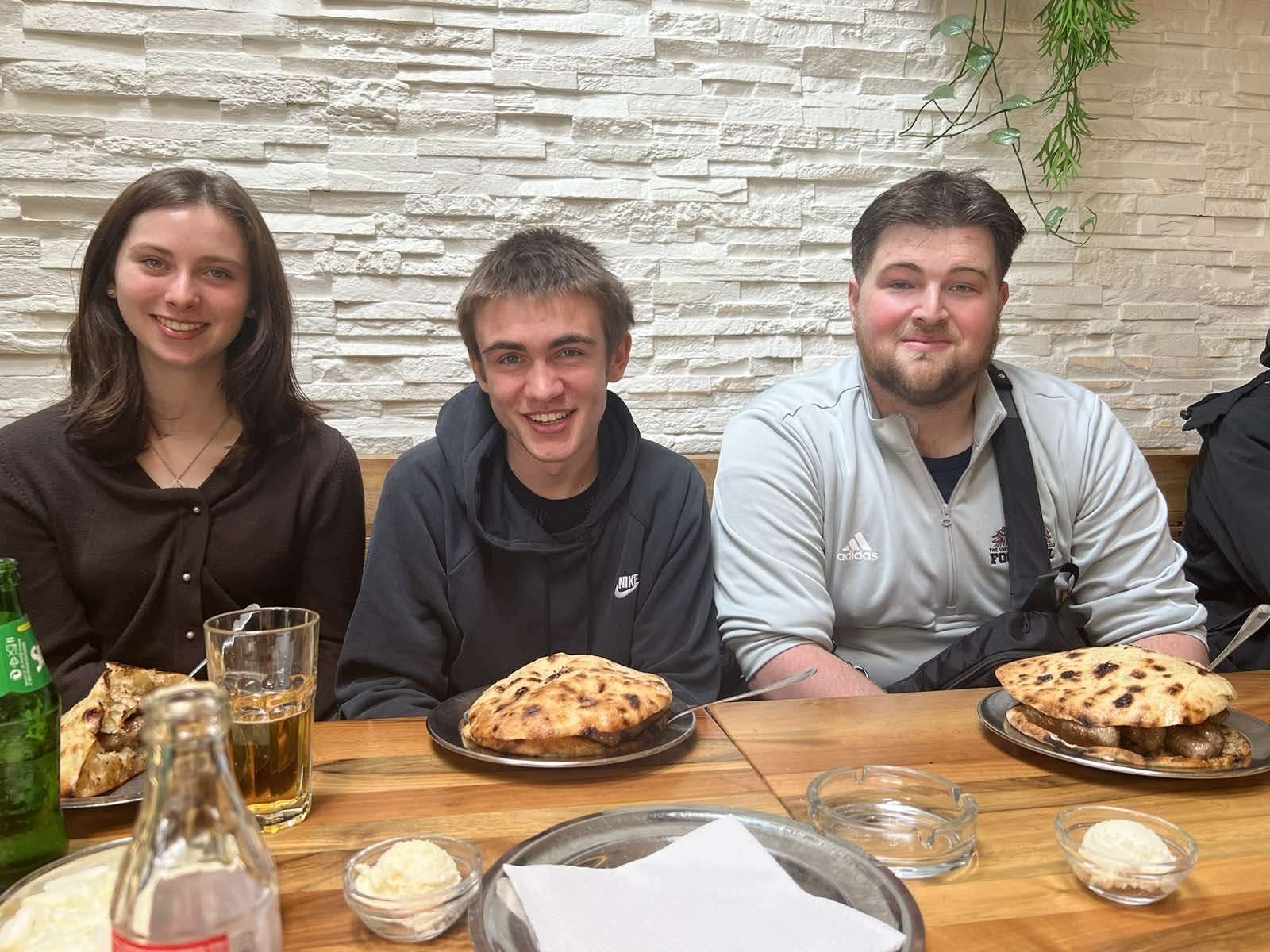
To aid cultural integration and support academic learning, participants have the opportunity to meet with local conversation partners for two hours per week. Conversation partners introduce participants to local people, accompany participants on sightseeing tours, organize cultural activities (cinema, museum, etc.), and provide students with academic support. The conversation partners are expected to speak only the target language to provide extra language immersion.

The American Councils Language Center in Sarajevo, Bosnia & Herzegovina is conveniently located in the heart of the city. Our classrooms are centrally located and easily accessible by public transportation from around the city, making it easy for students to immerse themselves in the local culture. The center offers expert language instruction in the BCMS languages by native speakers, delivered by teachers with decades of experience. Whether you’re looking to build conversational fluency, deepen your understanding of regional nuances, or explore the regions rich linguistic heritage, our language center provides a supportive and professional environment to achieve your goals.
Multiple sources of funding are available to support participants in paying for programs abroad. Participants are encouraged to apply for private scholarships, federal aid and grants, college/university scholarships, and American Councils fellowships and scholarships.
Summer participants attend a two-day orientation program on site immediately upon arrival in country (where they are met at the airport by AC Staff). All semester participants must attend a mandatory pre-departure orientation before the program begins. Sessions cover health and safety, academic culture, host-family life, culture shock, and strategies for maximizing language learning. Students meet resident directors, peers, and alumni, with lodging and meals provided.
While abroad, participants receive 24/7 emergency support from in-country American Councils staff, which includes both local professionals and U.S. expatriates. Local offices coordinate academic placements, cultural excursions, housing, and medical assistance. The AC Study Abroad Team in Washington, D.C. maintains regular contact with overseas staff, partner universities, and families to ensure ongoing support and program quality.
Participants are covered by Cultural Insurance Services International (CISI) for the full duration of the program. The policy provides up to $250,000 in medical coverage per accident or illness, as well as complete coverage for emergency medical evacuation. Enrollment is automatic and included in program costs.
American Councils provides visa support for participants for the duration of the program in the host country, if applicable. Students are responsible for obtaining any additional visas required by their travel plans. Visa instructions and forms are provided after acceptance.


